Food Processor vs Blender: Which One Do You Actually Need?
As an Amazon Associate, CrispyCounter earns from qualifying purchases. Research-based guide built from manufacturer specifications and well-established kitchen practice; not a hands-on test. Published Nov 2, 2026 (America/Chicago). No prices listed; check today’s price on Amazon.
Job-by-job table4 picks by jobManufacturer specs, not hands-on tests
We may earn a commission when you buy through links on this page. Learn more
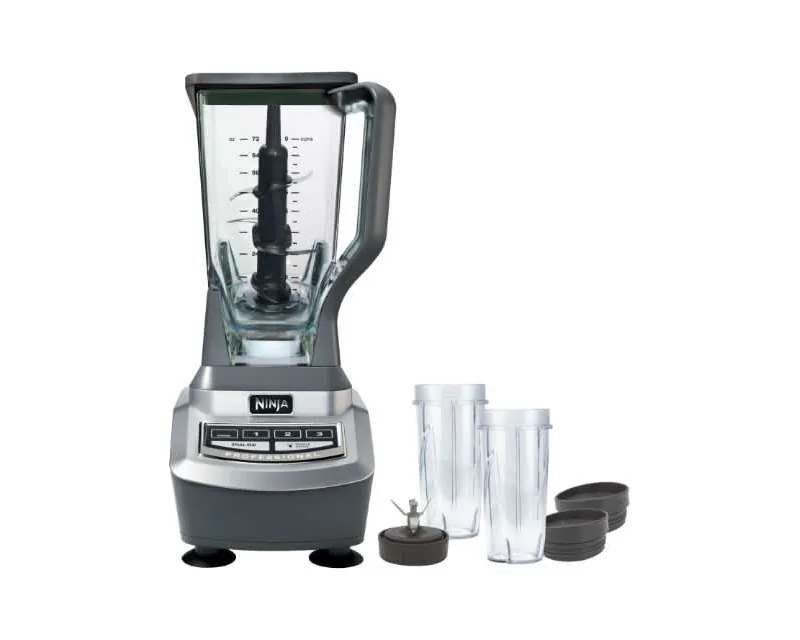
Short answer: a food processor keeps food in pieces: it chops, slices, shreds and mixes dough. A blender turns food smooth: smoothies, frozen drinks, puréed soup and sauces. If you cook from scratch a few nights a week, the Cuisinart Custom 14-Cup does the most work. If you mostly make smoothies, get the Ninja Professional BL660. If you only mince garlic and herbs, a 3-cup mini chopper is enough, and for soup in the pot a stick blender beats both.
What each tool actually does
The two machines look similar on a store shelf: a motor base, a container and a spinning blade. They behave very differently because of the shape of the container.
Diagram: the shape of the container decides the job. A processor keeps food in pieces; a blender pulls everything into a vortex until it is smooth.
Food processor: a wide, flat work bowl with a low S-shaped blade and a feed tube on top. The wide bowl lets food fall back onto the blade in pieces, so pulsing gives you an even chop instead of a purée. Discs that sit at the top of the bowl slice and shred whole vegetables and cheese as you push them down the feed tube. That is the job no blender can do.
Countertop blender: a tall, narrow jar with the blade at the bottom. Liquid gets pulled down into a vortex, so everything passes the blade again and again until it is smooth. That is why blenders need liquid, and why they excel at smoothies, ice and silky sauces.
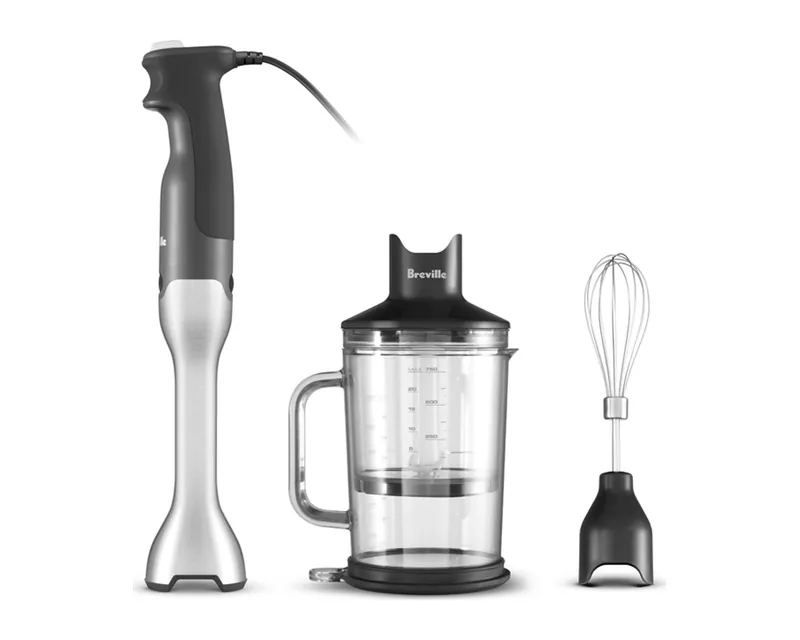
Stick (immersion) blender: a blender blade on a wand that you put in the pot or a tall cup. Best for puréeing hot soup without moving it, plus small sauces and dressings.
Mini chopper: a small food processor with a 3-cup bowl and one blade, and no discs. It handles garlic, onion, herbs, nuts and breadcrumbs for one recipe at a time.
Which tool for which job
Find your most common jobs in the left column. If most of them land in one column, that is the machine to buy first.
Job
Best tool
Why
Smoothies, frozen fruit, protein shakes
Countertop blender
Needs a vortex and enough power for ice
Puréed soup (squash, potato leek)
Stick blender
Blend in the pot, no hot transfer
Shredded cheese, slaw, hash browns
Food processor
Shredding disc; a blender can’t shred
Sliced potatoes for a gratin, cucumbers
Food processor
Slicing disc gives even slices
Pie crust, pizza or bread dough
Food processor
Cuts butter in fast; wide bowl handles stiff dough
Onion, celery and carrot for stuffing or soup
Food processor (pulse)
Even chop for a big batch
Garlic, ginger, herbs, a little pesto
Mini chopper
Small bowl means small batches don’t get lost
Hummus, nut butter, thick dips
Food processor
Wide bowl handles thick pastes
Chunky salsa
Food processor (pulse)
A blender tends to turn it into soup
Smooth sauces, dressings, mayonnaise
Blender or stick blender
Fast emulsion; stick blender for small batches
Mashed potatoes
Neither (masher or ricer)
Blades overwork the starch and make them gluey
What a blender can’t do, and what a processor can’t
A blender can’t slice or shred, and it is poor at thick, dry mixtures. Pie dough, stiff cookie dough and a chunky salsa either stall around the blade or turn into paste, and you will spend more time scraping than blending. It also wants a minimum amount of liquid, so tiny batches of something dry, like a few cloves of garlic, just spin around the jar.
A food processor can’t make a good smoothie. Without a vortex, frozen fruit chops into grainy bits instead of turning silky, and ice gets thrown around the bowl. Thin liquids are also limited by the bowl design: Cuisinart’s capacity chart for the Custom 14 lists about 3 cups of thin liquid per batch, even though the bowl holds 14 cups of sliced food. A big pot of soup goes much more smoothly with a stick blender.
Neither one is a mashed-potato tool. Fast blades rupture the potato starch and turn mash gluey. Use a hand masher or a ricer; save the processor for the stuffing vegetables and the pie crust.
Spec comparison: our four picks
From the manufacturers’ published specifications (not our measurements). Check the current listing before you buy, because models and bundles change.
Spec
Cuisinart Custom 14-Cup
Cuisinart Mini-Prep Plus
Ninja Professional BL660
Breville Control Grip
Type
Full-size food processor
Mini chopper
Countertop blender
Stick (immersion) blender
Model
DFP-14BCNY
DLC-2ABC
BL660
BSB510XL
Motor (listed)
720 W
250 W
1100 W
280 W
Capacity (listed)
14-cup bowl (about 3 cups thin liquid)
3 cups (24 oz)
72 oz pitcher (64 oz max liquid) + 2 single-serve cups
Blends in your pot; 42 oz jug included
Slices and shreds?
Yes: 4 mm slicing disc, medium shredding disc
No
No
No
Controls
On and Off/Pulse
Chop and Grind buttons
Multiple speeds + pulse
15 speeds, trigger grip
Extras
Chopping/mixing blade, extra-large feed tube
Reversible sharp/blunt blade
Personal cups with to-go lids
25 oz chopper bowl, whisk
Warranty (listed)
3-year limited; 5-year motor
18-month limited
See current listing
See current listing
Buying criteria
Your top three jobs. Write them down. Shredding, slicing and dough point to a food processor; smoothies and ice point to a blender; soup points to a stick blender. This matters more than any spec.
Batch size. A 14-cup bowl shreds a whole block of cheese or a head of cabbage in one go. A 3-cup mini chopper is quicker to pull out and wash for one recipe, but you will work in batches for anything bigger.
Discs. If you want slicing and shredding, check what comes in the box. The Cuisinart Custom 14 includes a 4 mm slicing disc and a medium shredding disc; extra discs are sold separately.
Storage and weight. Full-size processors are heavy and tall, so they work best if they live on the counter. A stick blender fits in a drawer; a mini chopper fits in a cabinet.
Cleanup. Count the parts: a processor has a bowl, lid, pusher, blade and discs. A stick blender is a wand and maybe a cup. If cleanup puts you off, you will not use the bigger machine.
Power where it matters. Watts are a rough guide within one type, not across types. A 720 W processor and an 1100 W blender are each sized for their own jobs.
Tradeoffs
Versatility vs counter space. A full-size processor does the most different jobs, but it is the biggest and heaviest thing here. If it has to live in a cabinet, you may not use it.
One big machine vs two small ones. A mini chopper plus a stick blender covers garlic, herbs, sauces and soup in very little space. You give up slicing, shredding, dough and smoothies with ice.
Blender kits that “chop”. Stick blender kits like the Breville Control Grip include a small chopper bowl that can stand in for a mini chopper. They still don’t slice or shred.
Buy both? Only if both lists of jobs are weekly habits. Most cooks are better off buying the machine for their top job first and adding the second later.
Our recommendations
These are the same tagged picks we cover on best food processors and best blenders, grouped here by the job you need done. Check today’s price on Amazon.
Most jobs#1
Food processor — Cuisinart
For chopping, slicing, shredding and dough: Cuisinart Custom 14-Cup (DFP-14BCNY)
Cuisinart lists a 720-watt motor, a 14-cup work bowl, an extra-large feed tube, On and Off/Pulse controls, a 4 mm slicing disc, a medium shredding disc and a chopping/mixing blade, with a 3-year limited warranty and a 5-year motor warranty. It is the simple, durable machine for slaw, gratins, pie crust and stuffing vegetables.
Best for: cooks who shred, slice or make dough every week, and holiday batch prep
Tradeoff: heavy and tall; happiest living on the counter
Skip if: your main job is smoothies, or you only mince garlic now and then
For garlic, herbs and small sauces: Cuisinart Mini-Prep Plus (DLC-2ABC)
Cuisinart lists a 250-watt motor, a 3-cup (24 oz) bowl and an auto-reversing blade with a sharp edge for chopping and a blunt edge for grinding, plus separate Chop and Grind buttons. It is quick to pull out and wash for one recipe’s worth of aromatics, nuts or pesto.
Best for: small kitchens and one-recipe batches
Tradeoff: no slicing or shredding; big batches mean several rounds
Skip if: you want slaw, gratins or dough from the same machine
For smoothies, frozen drinks and big batches: Ninja Professional BL660
Ninja lists an 1100-watt motor, a 72 oz pitcher (64 oz max liquid) and two single-serve cups. That covers family smoothies, frozen drinks and smooth sauces, which is the half of the job list a food processor handles badly.
Best for: weekly smoothies and anything with ice
Tradeoff: loud on ice; can’t slice, shred or handle stiff dough
Skip if: you mostly purée soup: a stick blender is less cleanup
For soup and sauces in the pot: Breville Control Grip (BSB510XL)
Breville lists a 280-watt motor, 15 speeds, a trigger grip and an anti-suction blending base, plus a 42 oz jug, a 25 oz chopping bowl and a whisk. It purées squash soup right in the pot and stores in a drawer. For a lower-cost stick blender, see the Cuisinart Smart Stick.
Best for: soup-heavy kitchens, small sauces and limited storage
Tradeoff: not for ice or big smoothie batches; no slicing or shredding
Good fit: anyone deciding which appliance to buy first, holiday cooks planning a big prep day, and small-kitchen cooks trying to cover the most jobs with the least counter space.
Not for: people who already own a working blender and food processor. Keep both and use this page’s job table to decide which one to reach for. It also isn’t for cooks who mostly bake: a stand mixer or a kitchen scale will change your baking more than either machine.
FAQ
Can a blender replace a food processor?
Only for wet jobs. A blender is great at smoothies, frozen drinks, smooth sauces and puréed soups because it pulls food into a vortex with liquid. It cannot slice or shred, and it struggles with thick, dry mixtures like pie dough or a chunky salsa, which turn into a paste or stall around the blade.
Can a food processor replace a blender?
Not for drinks. A food processor’s wide bowl is built to keep food in pieces, so smoothies stay grainy and thin liquids can leak past the center post. Cuisinart’s own guide for the Custom 14 limits thin liquids to about 3 cups per batch. For smoothies and ice, use a blender.
Is a mini chopper the same as a small food processor?
Close, but not quite. A mini chopper like the Cuisinart Mini-Prep Plus has a 3-cup bowl and a chopping blade only, with no slicing or shredding discs. It is perfect for garlic, herbs, nuts, breadcrumbs and small sauces, but it is not a full food processor.
Which is better for Thanksgiving prep?
A full-size food processor. It shreds cabbage for slaw, slices potatoes for a gratin, chops onions and celery for stuffing, and makes pie crust. A blender or stick blender handles the smooth jobs, like puréed squash soup or a smooth cranberry sauce. Neither is good for mashed potatoes: use a masher or a ricer, because blades overwork the starch and make them gluey.
Should I get an immersion blender instead of a countertop blender?
If your main job is soup, yes. An immersion (stick) blender purées right in the pot and stores in a drawer. If your main job is smoothies with frozen fruit or ice, get a countertop blender. Our immersion vs countertop blender comparison covers the details.
What size food processor do I need?
For a household that cooks regularly, a full-size (about 11–14 cup) processor handles dough and big batches in one go. If you only ever chop aromatics and small batches of pesto, a 3-cup mini chopper is enough. Mid-size models fall in between.